A pioneering 3D device combining living brain cells and sophisticated electronics has been engineered by researchers at Princeton University. This novel system, capable of being programmed to recognize patterns, could revolutionize the study of brain function and pave the way for more energy-efficient computing.
The Fusion of Biology and Technology
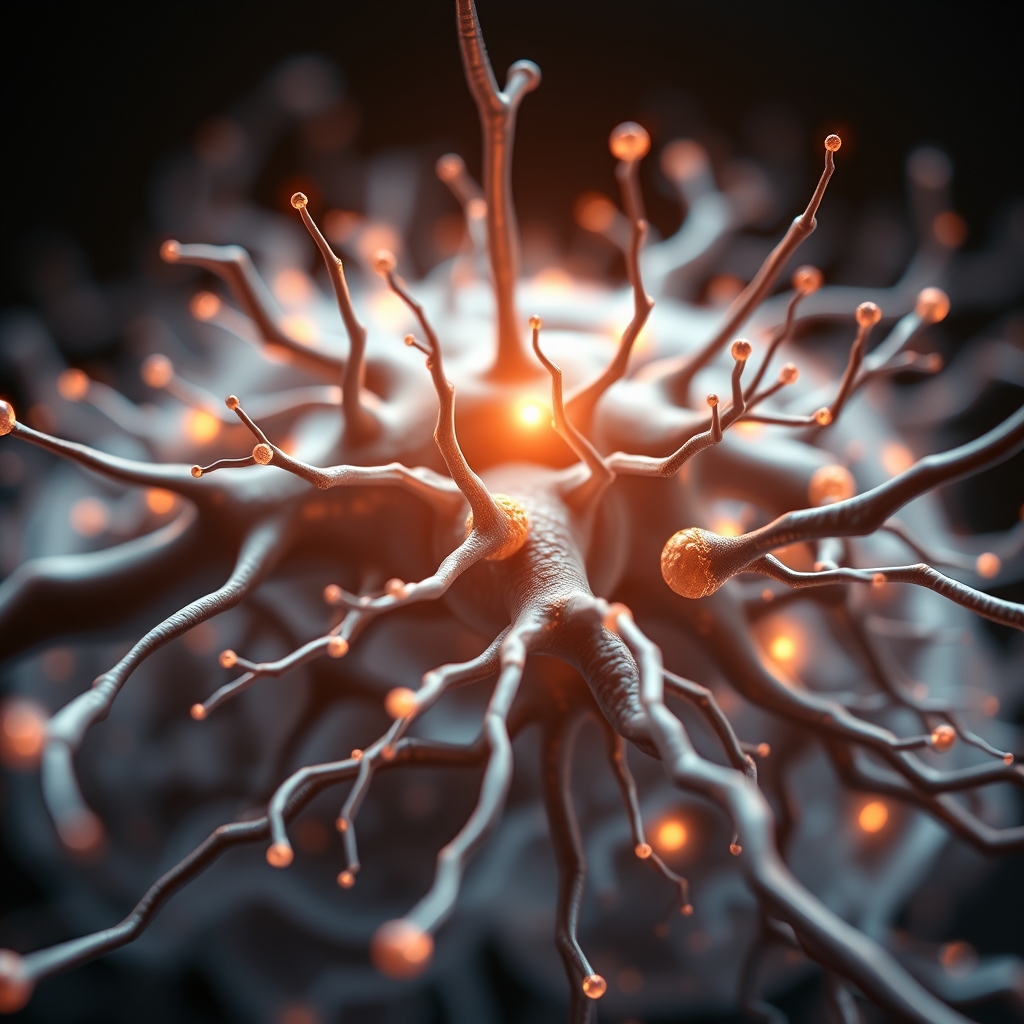
The device is constructed upon a 3D mesh, serving as a scaffold for approximately 70,000 biological neurons. This intricate network is interwoven with dozens of microscopic electrodes designed to both sense and manipulate the activity of these living brain cells. The researchers, led jointly by Tian-Ming Fu, James Sturm, and Kumar Mritunjay, meticulously monitored the network’s evolution over time.
Key advancements in the development include:
- Testing methods to effectively strengthen or weaken connections between crucial neurons.
- Training an algorithm to accurately identify patterns within the electrical pulses generated by the neuronal network.
Potential Applications and Future Directions
The study, published in the prestigious journal Nature Electronics, highlights the immense potential of this 3D biological neural network. A primary goal is to expand the platform’s capabilities to handle increasingly complex tasks, particularly addressing the significant challenge of energy consumption in modern AI systems. Biological neurons, it is noted, operate on a fraction of the power required by current AI counterparts for similar computational tasks.
Beyond computational advancements, these living AI devices may unlock deeper insights into:
- The intricate computing secrets of the human brain.
- Understanding and potentially treating neurological diseases.
The development represents a significant step towards creating AI systems that are not only more powerful but also remarkably more energy-efficient, drawing inspiration directly from biological intelligence.
**
Disclaimer:** This article is based on information from scientific publications and does not constitute endorsement or promotion of any specific technology or research.